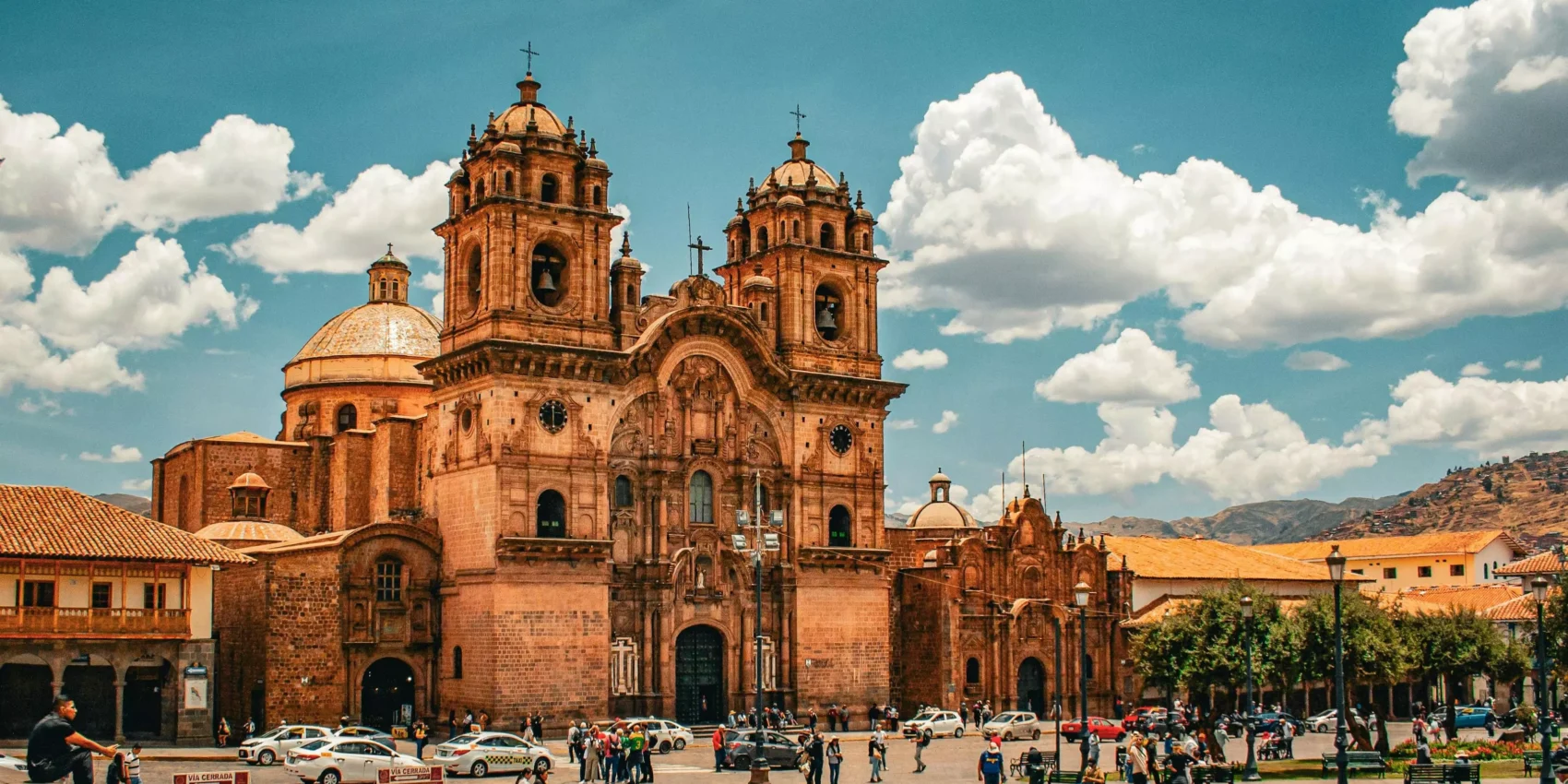
Cusco is one of the most visited places in South America, and for good reason. The former capital of the Inca Empire, the Sacred Valley and Machu Picchu draw travelers from every corner of the world. But there is a big difference between seeing Cusco and truly experiencing it. Purposeful travel is about the second: traveling in a way that respects the people and places you visit, and leaves something positive behind.
What does sustainable tourism mean in Cusco?
In the Andes, sustainability is not an abstract idea. It is about how many people walk the same trail every day, who earns income from tourism, and whether ancient traditions are honored or turned into a show. For us at Tambo Blanquillo, it comes down to a few simple principles:
- Travel with local experts. Guides, weavers, cooks and families who keep ancestral knowledge alive share it on their own terms.
- Keep groups small. Smaller groups mean more genuine conversations and less pressure on communities and archaeological sites.
- Spend locally. Choosing local workshops, markets and family-run experiences keeps income in the communities that make Cusco special.
- Respect the pace of the Andes. Good itineraries leave time to acclimatize, listen and enjoy, instead of rushing from site to site.
Experiences that connect you with living culture
Machu Picchu is a must, but some of the most memorable moments in Cusco happen far from the crowds:
- A day with a Quechua family: learn about weaving, Andean farming and the Quechua language, and help prepare a traditional pachamanca, a meal slow-cooked underground with hot stones.
- San Blas, the artists’ quarter: paint your own Torito de Pucará, a symbol of prosperity and unity, in a local workshop.
- Moray and Maras: discover Inca agricultural engineering and salt pans that are still worked by local families today.
These experiences are not “extras”. They are what turns a trip into a meaningful connection with the Andean world.
Why purposeful travel matters
When travelers choose responsible operators and local experiences, tourism becomes a tool for conservation and cultural pride, rather than a pressure on fragile places. It also makes for a better trip: you come home with stories, friendships and a real understanding of the people who call the Andes home.
From the Andes to the Amazon: a natural extension
Few travelers realize that one of the most biodiverse places on Earth is just a road trip away from Cusco. Since 1988, Tambo Blanquillo has protected a private reserve in the buffer zone of Manu National Park, on the banks of the Madre de Dios River. Adding a few days in Manu completes the story: from Andean culture to the living rainforest, with the same commitment to conservation and respect.
Plan your trip
Explore our 8-day Cusco & Manu itinerary or the 12-day Cusco – Manu journey, or contact us to design a trip with purpose.